Beyond four walls: The impact of area-based retrofit on communities
When we think about retrofit, it’s easy to focus on the individual home: insulation, heating systems, windows and ventilation. But homes don’t exist in isolation. They are part of streets, neighbourhoods and communities, each with their own opportunities and challenges.
Increasingly, retrofit is being planned at the scale of place rather than individual properties. By considering whole streets, neighbourhoods and housing archetypes together, housing providers and local authorities can deliver retrofit more efficiently while supporting wider priorities such as regeneration, community wellbeing, nature-based solutions and local planning ambitions. Grouping similar homes can reduce costs, simplify delivery and help overcome common technical challenges, while creating wider social value for local communities.
At Retrofit Information, Support and Expertise (RISE), we’ve seen first-hand how taking an area-based approach can deliver benefits that extend well beyond carbon savings. It can help tackle fuel poverty, improve health, build community trust and create neighbourhoods that are better prepared for a low-carbon future.
Here are just a few examples.
Tackling hard-to-treat homes
Victorian terraced housing is one of the UK’s most common – and most challenging – housing archetypes. Limited space, solid walls and ageing building fabric can make decarbonisation both technically complex and expensive.
Rossendale Valley Energy (RV Energy) has taken a different approach through its Net Zero Terraced Streets project, demonstrating how treating an entire street as a connected energy system can unlock solutions that simply aren’t possible on an individual property basis.
RV Energy’s approach uses ground source heat pumps connected through ambient heat loops, with each home fitted with smart hot water cylinders or thermal batteries, ensuring efficient heat distribution. Before installation, homes undergo fabric efficiency upgrades, including insulation and ventilation improvements.
By treating an entire terrace as a connected energy network rather than a collection of individual homes, this approach enabled residents to reduce energy costs by up to 75% while cutting peak electricity demand by around 80%.
The benefits stretch further than lower bills. Warmer, more consistent indoor temperatures can contribute to improved health outcomes, helping address issues associated with cold, damp homes while creating more comfortable living environments for residents.
In June we welcomed Andy Pinches, Operations Director at Rossendale Valley Energy, to the RISE podcast – exploring the practical challenges and innovative solutions behind retrofitting terraced homes. Andy shares insights from his work in energy and fuel poverty, discussing innovative funding models, challenges with terraced housing, and the potential of local energy collaboration. Catch up on the podcast.
Addressing fuel poverty through neighbourhood retrofit
Place-based retrofit also provides an opportunity to tackle one of the UK’s most pressing housing challenges: fuel poverty.
In South Yorkshire, around 19% of households experience fuel poverty, with poorly insulated homes contributing to high energy bills, damp, mould and wider health inequalities.
Through the Social Housing Decarbonisation Fund (now Warm Homes: Social Housing Fund), housing providers across South Yorkshire have improved the energy performance of homes. Wave 1 projects delivered by Barnsley, Doncaster and Rotherham councils have upgraded almost 460 social homes, with new windows and doors, insulation and ventilation improvements.
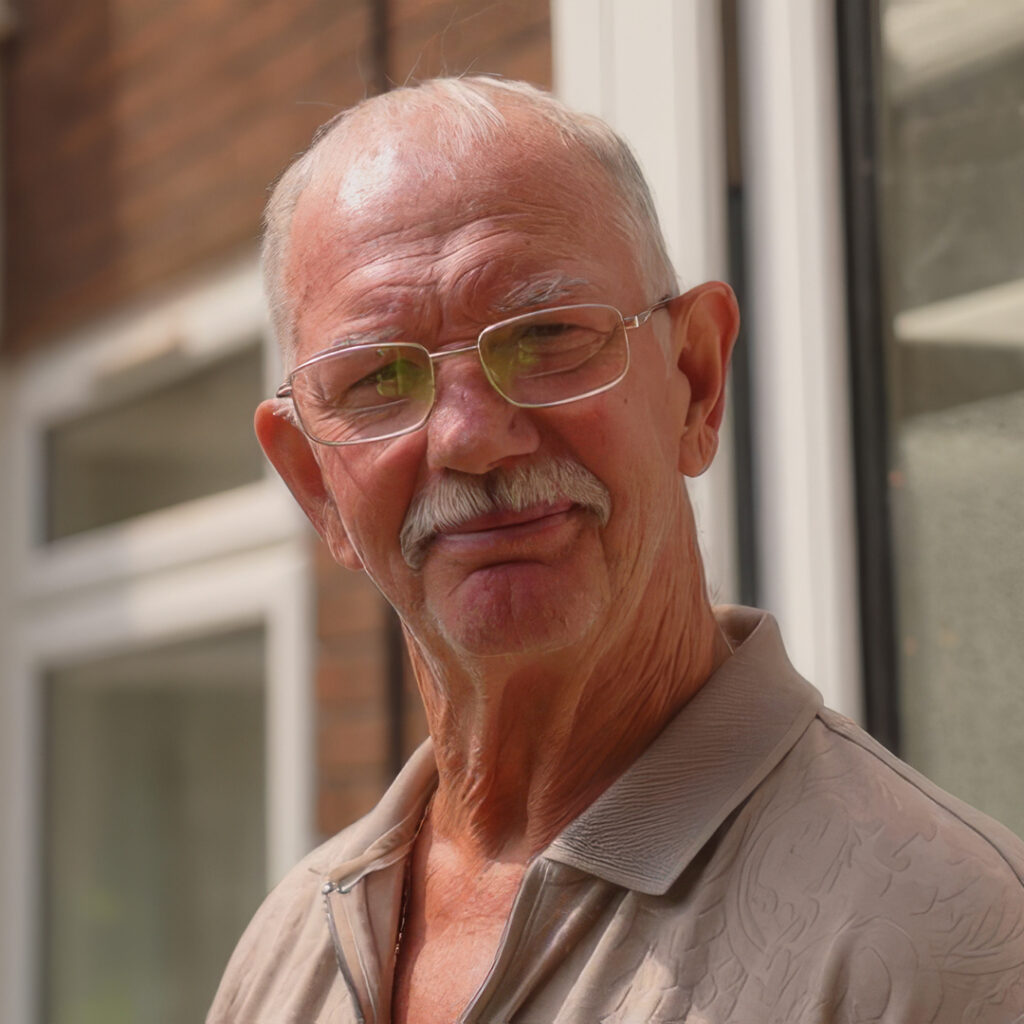
For residents, the results are tangible. Homes warm up more quickly, retain heat for longer and feel noticeably more comfortable. Steve’s home in Maltby is one of the properties that benefitted from this programme. Steve reported that: ‘When I moved in here, I was paying £143 a month, and it’s just gone down to £73.’
Place-based retrofit is about more than improving buildings. It is about improving quality of life, tackling fuel poverty and supporting healthier communities. Read more about Steve’s story on the RISE website.
Building trust within communities
In Manchester, One Manchester received £550,000 as part of the Greater Manchester Combined Authority’s £37 million Social Housing Decarbonisation Fund (SHDF) Wave 2.1 consortium to improve the energy efficiency of 164 homes – installing measures such as insulation, energy-efficient windows and doors, and low-carbon heating technologies.
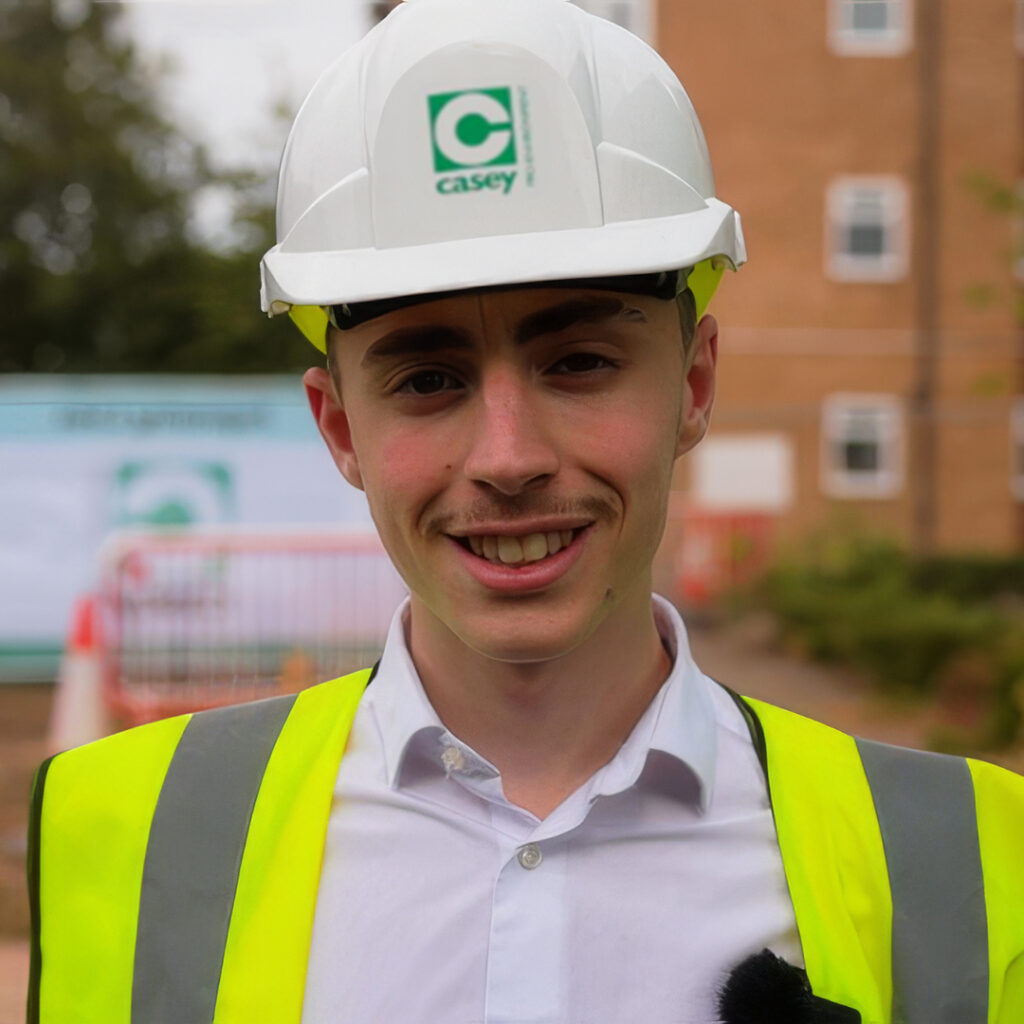
Billy Adrian, Assistant Site Manager and Resident Liaison Officer was a regular point of contact for residents. Billy helped explain the retrofit process, answer questions and provide reassurance throughout the project – building trust with residents and ensuring that they felt involved at every step of the process.
Resident Bobby spoke warmly about the contractors: ‘The guys who’ve been working have been so helpful,’ he said. ‘So polite and informing me… you couldn’t ask for better.’
Through consistency, honesty, and genuine connection, this is an example of resident engagement that transforms retrofit from a construction project into a community‑centred collaboration.
Read Billy’s story to discover more about his role and the support he gained from contractor Casey, to develop his skills and career in retrofit. And Bobby’s story for the real impact felt by residents.
Looking beyond individual homes
The UK’s retrofit challenge cannot be solved one property at a time. Area-based delivery enables housing providers and local authorities to group similar homes, coordinate investment, reduce installation costs and integrate retrofit with wider regeneration ambitions. At the same time, it creates opportunities to address fuel poverty, improve public health, strengthen community relationships – delivering widespread social value.
Whether it’s transforming Victorian terraces in Rossendale, reducing fuel poverty in South Yorkshire and Manchester, or building trust through community-focused delivery, these projects show that retrofit is at its most powerful when it is considered within the context of place.
This month, RISE is hosting a series of learning opportunities related to area-based retrofit. Register now for one of the upcoming Masterclasses:
- Area-based retrofit in practice | Masterclass
- Working in area based retrofit schemes | Supply Chain Masterclass
To be the first to hear about RISE events, advice packs and training opportunities when they are live, subscribe to the RISE newsletter.